Practice Lab 1 – Create cloud flows
In this lab you will create cloud flows.
What you will learn
- How to create Power Automate cloud flows from a template and with Copilot
- How to create a Power Automate cloud flow from blank and add actions
High-level lab steps
- Create a cloud flow from a template
- Create a cloud flow with Copilot
- Create a cloud flow
- Monitor cloud flow activity
Prerequisites
- Must have completed Lab 0: Validate lab environment
Detailed steps
Exercise 1 – Create a cloud flow from a template
Task 1.1 - Select a template
-
Navigate to the Power Automate portal
https://make.powerautomate.com -
If the Welcome to Power Automate pop-up dialog is displayed, select Get started.
-
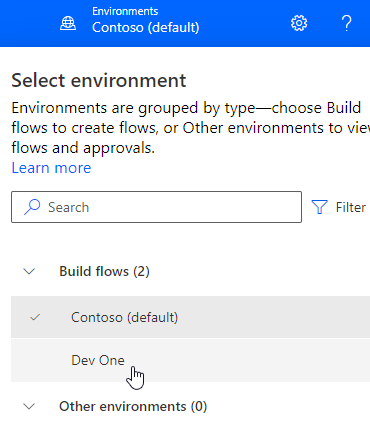
Select the Dev One environment.
-
Select Templates from the left-side menu.
-
Select the All templates tab.
-
Enter
Get Today's Weather Forecastin the Search templates field and press Enter.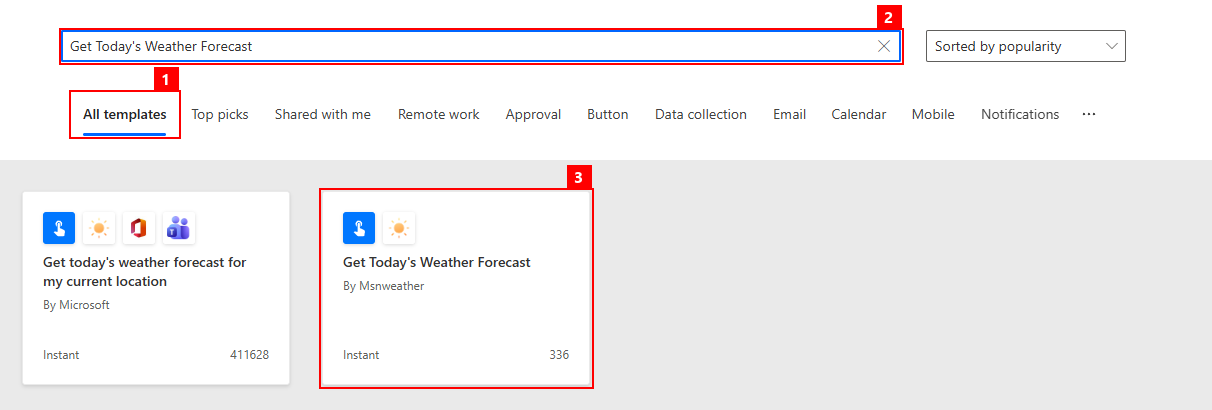
-
Select Get Today’s Weather Forecast by Msnweather.
[!NOTE] Select the template that uses only MSN Weather, not Get today’s weather forecast for my current location. The template used in this exercise does not require access to your device’s location.
-
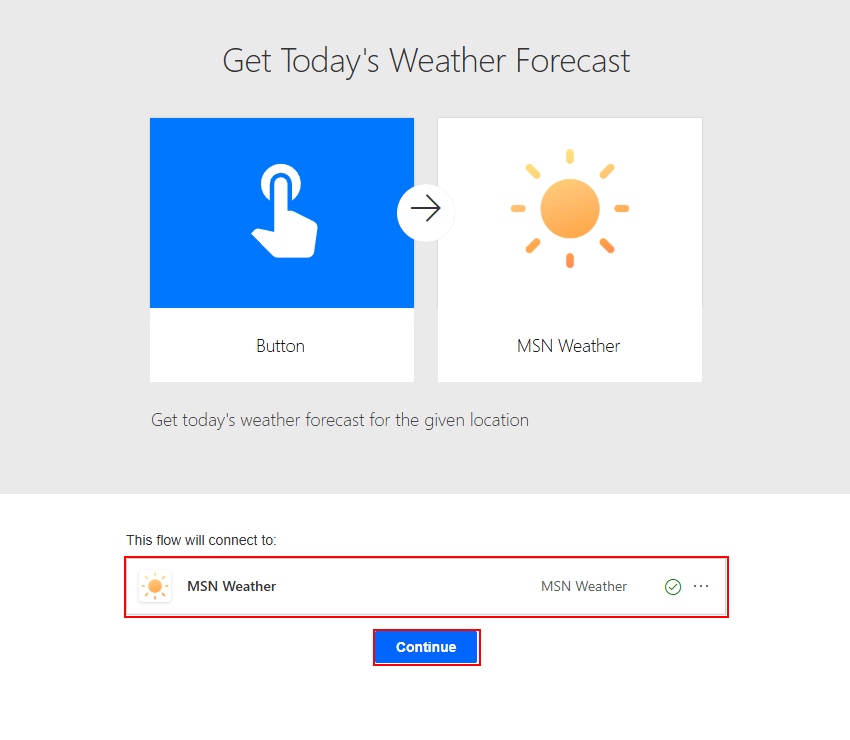
If prompted, select Create for MSN Weather. If a valid connection is already listed, use the existing connection.
-
Select Continue to open the flow designer.
-
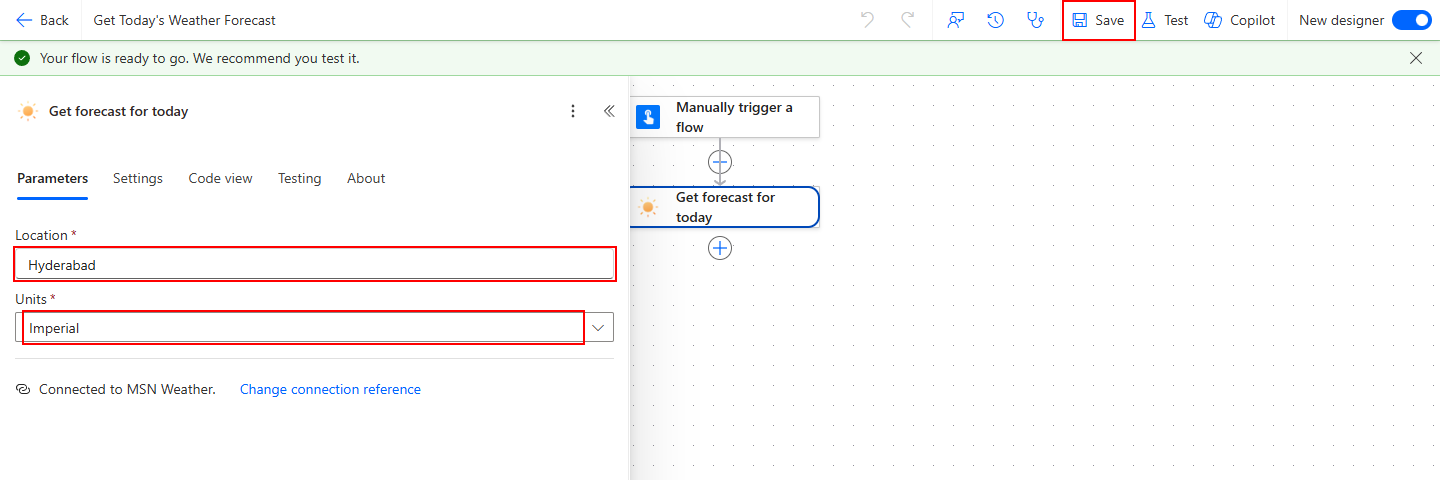
Select the Get forecast for today action. Keep the template’s Location set to Hyderabad and Units set to Imperial.
-
Select Save.
Task 1.2 - Run the flow
-
Select Test, select Manually, and then select Test.
-
If a connection review is shown, select Continue.
-
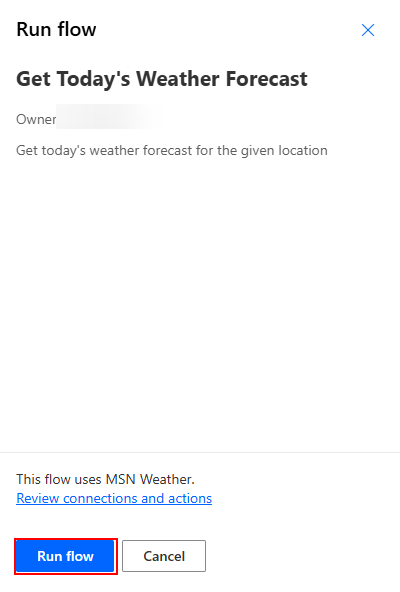
Select Run flow.
-
Select Done.
-
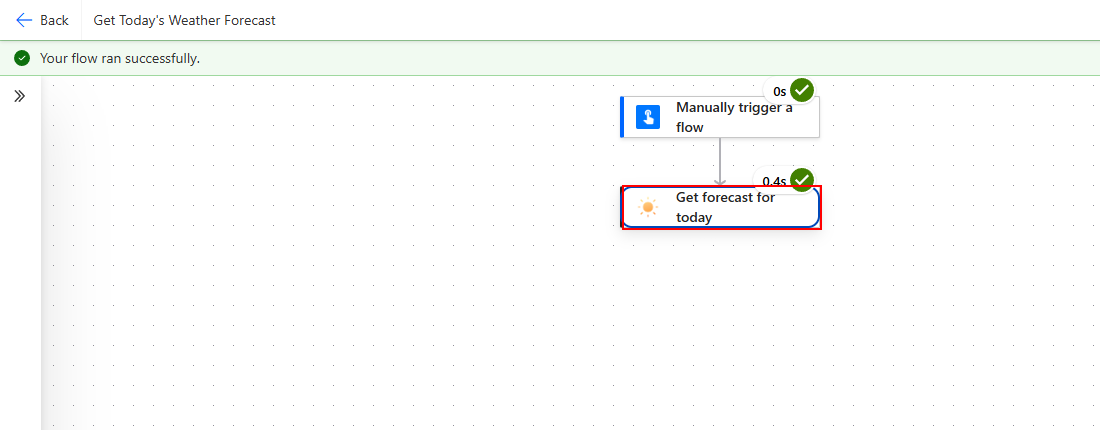
Wait for the flow to complete. You should see the Your flow ran successfully message.
-
Select the <- Back button from the top left of the command bar to return to the flow details page.
-
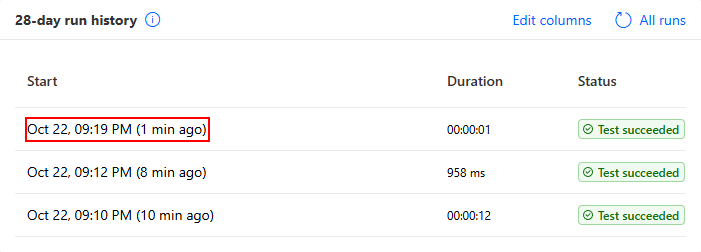
Locate the Succeeded run in the flow run history.
Task 1.3 - Review the flow
-
Select the date and time in the flow run history.
-
Select the Get forecast for today action with the green tick.
-
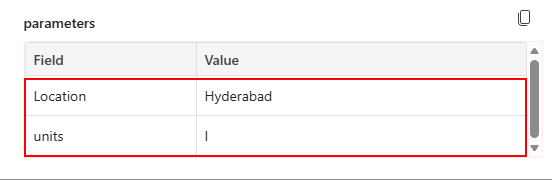
In Run results, review Inputs. Under parameters, notice that Location is Hyderabad and units is I, for Imperial.
-
Scroll to Outputs. Notice that statusCode is 200. In body, review responses.daily.tempHi, responses.daily.tempLo, and units.temperature. The forecast temperatures are in Fahrenheit.
[!NOTE] This template returns weather data in the flow run results. It does not send an email or a notification. Forecast values change each day.
-
Select Edit, then select the Get forecast for today action to view its parameters.
-
Select the Flow checker icon next to Save. There should be no errors or warnings.
-
Close the Flow checker pane.
Task 1.4 - Test the flow
-
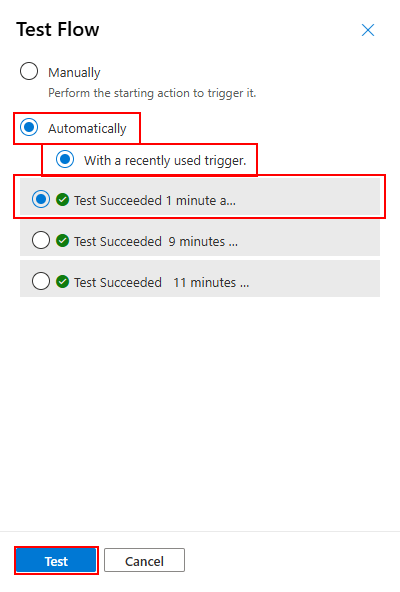
Select Test, select Automatically and then select With a recently used trigger. Select the Succeeded flow run.
-
Select Test.
-
Wait for the replay to finish and confirm that the flow succeeds.
-
Select the <- Back button from the top left of the command bar.
Exercise 2 – Create a cloud flow with Copilot
Task 2.1 - Enter a prompt
-
Navigate to the Power Automate portal
https://make.powerautomate.com -
Make sure you are in the Dev One environment.
-
Select Home from the left-side menu.
-
Under Create your automation with Copilot enter
Every day send me an email with the daily summary from MSN Weather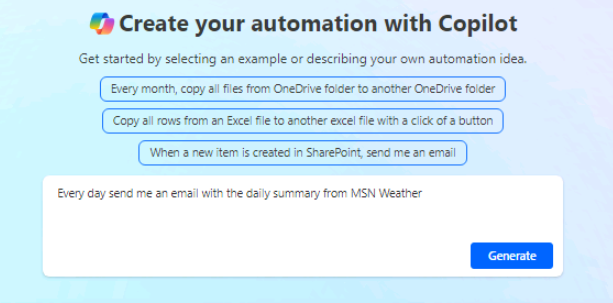
-
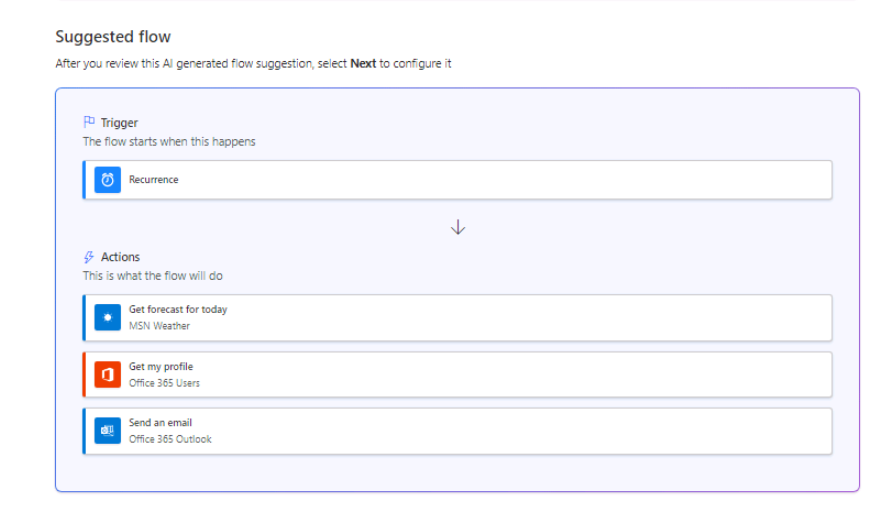
Select Generate.
-
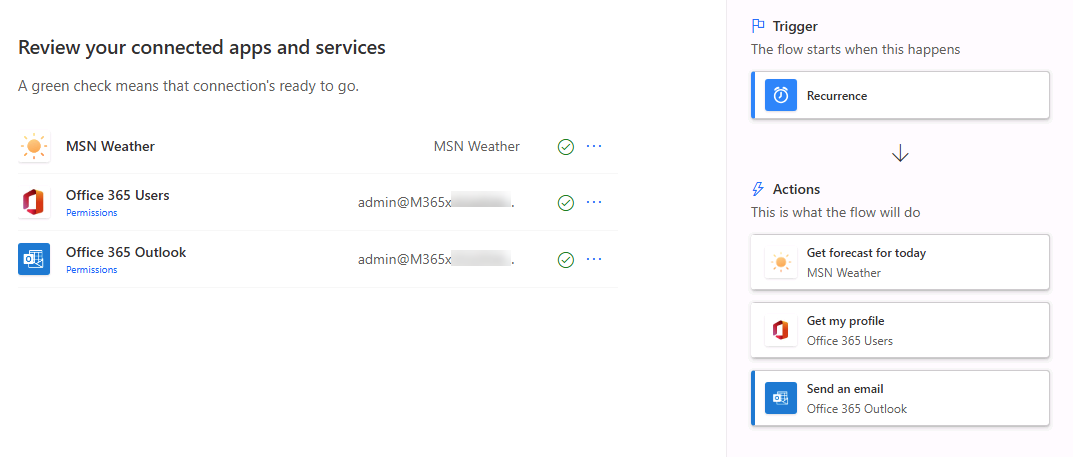
Select Keep it and continue.
-
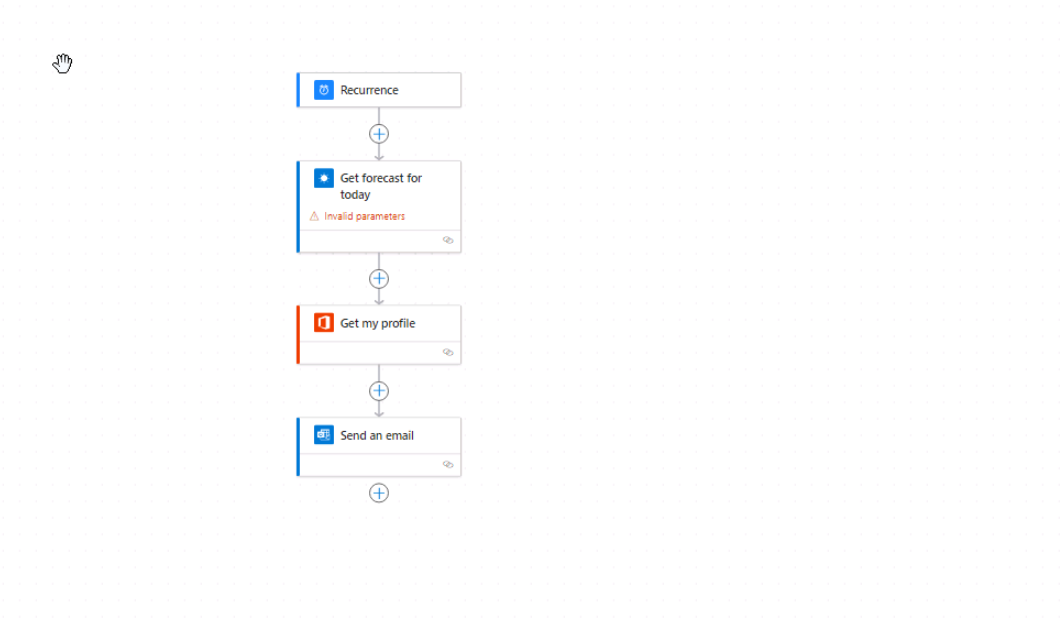
Select Create flow.
Task 2.2 - Configure flow actions
-
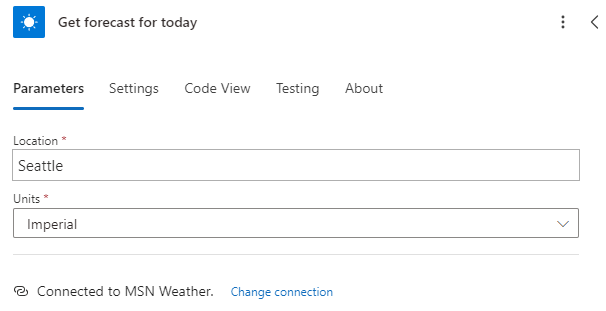
Select the Get forecast for today action.
-
Enter
Seattlefor Location. -
In the Units drop-down, select Imperial.
-
Select the Send an email action.
-
In the Body field, delete the existing content.
-
Select the dynamic value icon or enter
/to Insert dynamic content. -
In the search field, enter
daily summary. -
Select Day Summary.
-
Select Save.
[!NOTE] If an error with status code “Forbidden” and details “ConnectionAuthorizationFailed” appears after saving, complete steps 10–13 to create new connections. If no error appears, skip to step 14.
-
Select the Get forecast for today action, select Change connection reference, select Add new, and then select Create new.
-
Select the Get my profile action, select Change connection reference, select Add new, and then select Sign in. Sign in using the tenant credentials from the Authorized Lab Host.
-
Select the Send an email action, select Change connection reference, select Add new, and then select Sign in. Sign in using the tenant credentials from the Authorized Lab Host.
-
After creating the new connections for each action, select Save.
-
To test the flow, select Test, select Manually, and then select Test.
-
Select Run flow and then select Done.
-
Select the <- Back button from the top left of the command bar.
Exercise 3 – Create a cloud flow from blank
Task 3.1 - Create the trigger
-
Navigate to the Power Automate portal
https://make.powerautomate.com -
Make sure you are in the Dev One environment.
-
Select + Create from the left-side menu.
-
Select Automated cloud flow.
-
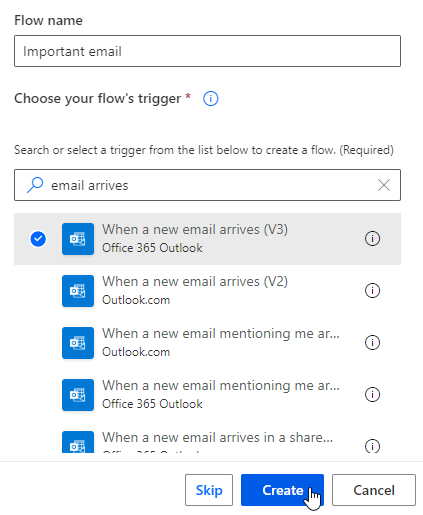
Enter
Important emailfor Flow name. -
Enter
email arrivesin the Search all triggers field. -
Select When a new email arrives (V3).
-
Select Create.
Task 3.2 - Configure the trigger
-
Select the When a new email arrives (V3) action.
-
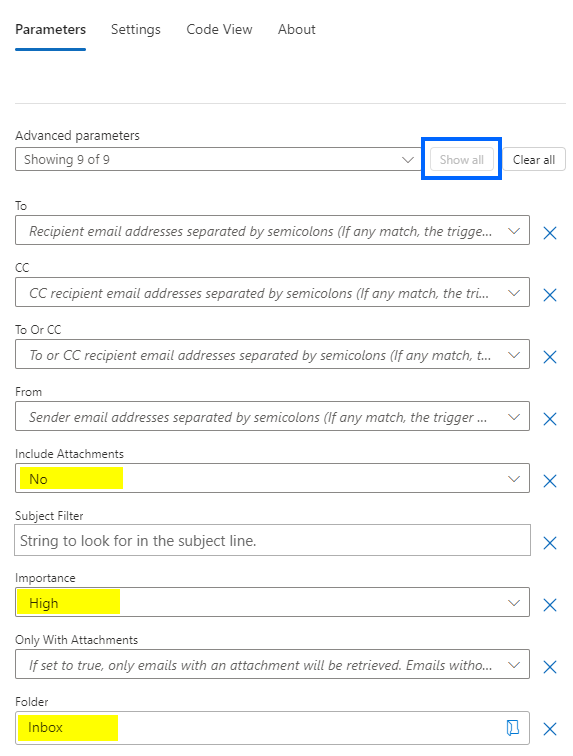
Select Show all.
-
Select No for Include attachments.
-
Select High for Importance.
-
Select Inbox for Folder.
Task 3.3 - Add an action
-
Select the + icon under the trigger and select Add an action.
-
If prompted, select Allow for See text and images copied to clipboard.
-
Enter
post messagein the search field.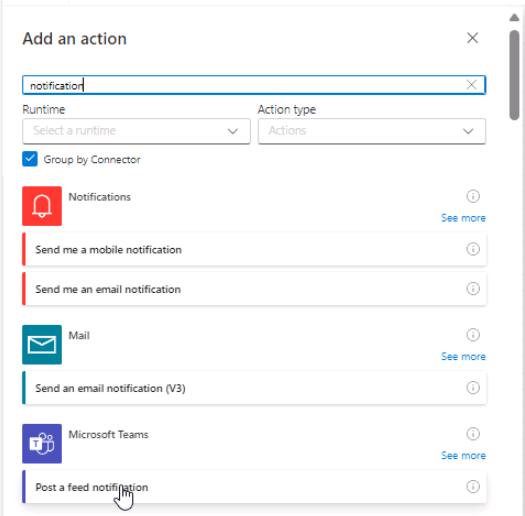
-
Select Post message in a chat or channel under Microsoft Teams.
-
Select Sign in.
-
Use your tenant credentials.
-
Select Flow bot for Post as.
-
Select Chat with Flow bot for Post in.
-
Enter your tenant user id for Recipient.
-
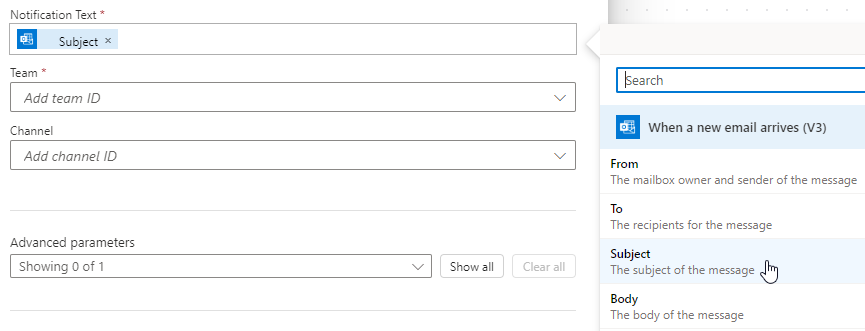
Enter
/in the Message field and select Insert dynamic content. -
Select Subject.
-
Select Save.
-
Select the <- Back button from the top left of the command bar.
Exercise 4 – Monitor flows
Task 4.1 - Cloud flow activity
-
Navigate to the Power Automate portal
https://make.powerautomate.com -
Make sure you are in the Dev One environment.
-
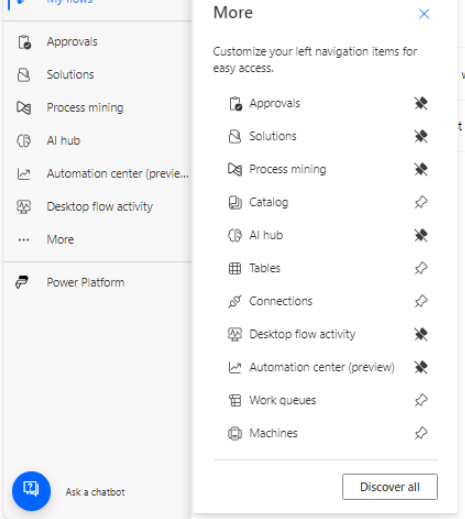
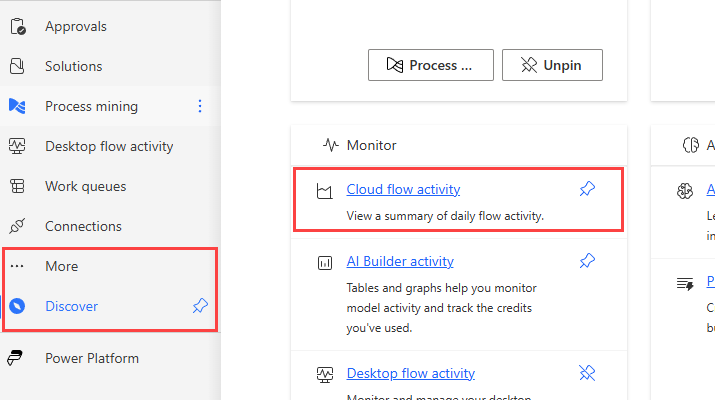
Select … More from the left-side menu.
-
Select Discover all and search for Cloud flow activity under the Monitor section.
-
Select the pin icon for Cloud flow activity.
-
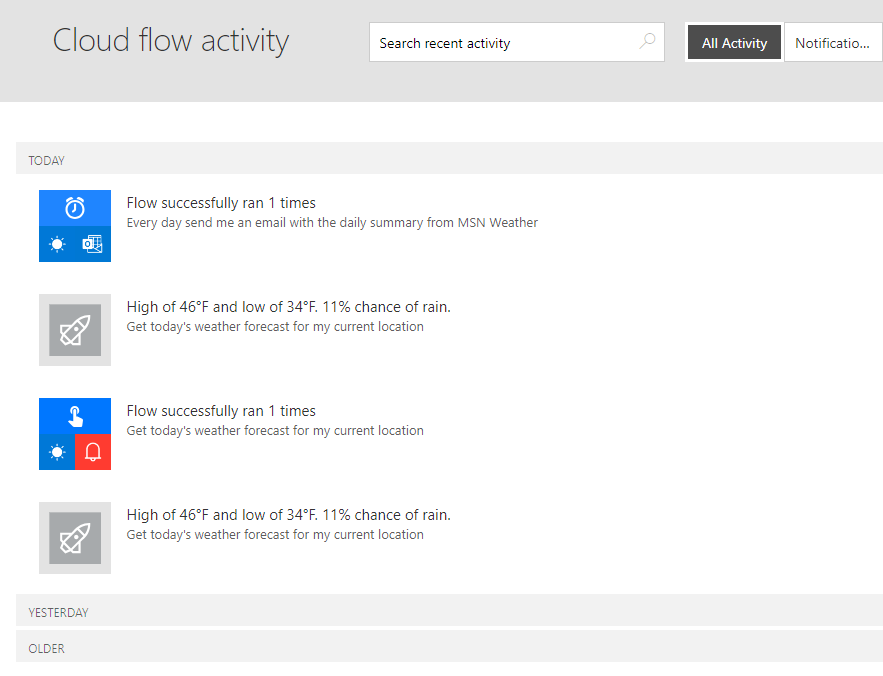
Select the Cloud flow activity tab from the left-side menu.